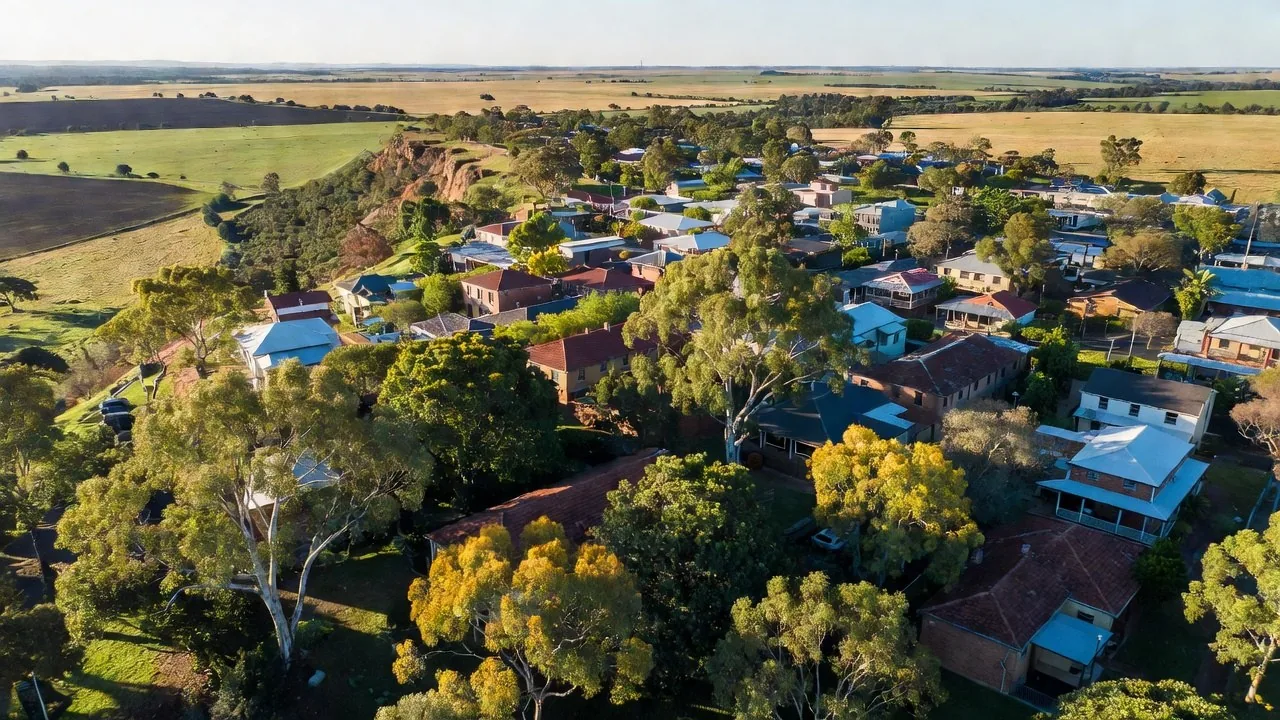
Tree Services Toowoomba matches Garden City property owners with qualified, insured local arborists — lopping, pruning, removals and stump grinding, from the annual tidy-up to a camphor laurel that has finally outgrown the block. Tell us what you need and you'll get a fixed quote before any work starts.
No obligation. Takes 30 seconds.
Local arborists who understand what trees do at 700 metres on black soil.
Your job goes to someone who actually works between Highfields and Westbrook — who knows what black soil does to a root plate after a wet summer, and why a removal on the Range escarpment at Prince Henry Heights is a different job to the same tree on flat ground at Glenvale.
Tree work in Queensland doesn't require a QBCC licence — which means the bar to calling yourself a tree lopper is low. We only refer operators who hold arboriculture qualifications and carry public liability cover, because on this job that's the whole difference.
Toowoomba is unusual — you generally don't need council approval to remove a tree on your own land. Most quotes never mention that, and a few imply the opposite. We'd rather tell you what the position actually is, including the parts where you do need permission.
The jobs that come up most. Pick what's closest to your situation — or just tell us what's happening and we'll work it out.

Bringing an overgrown canopy back under control — cut to standard, not just topped.
Read more →
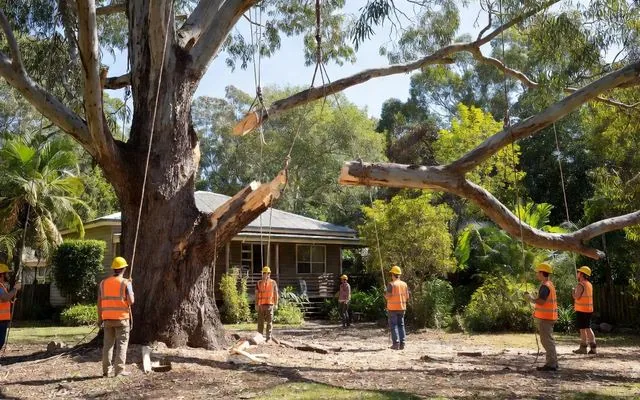
Full removal of trees that are dead, dangerous, lifting paving or outgrowing the block.
Read more →
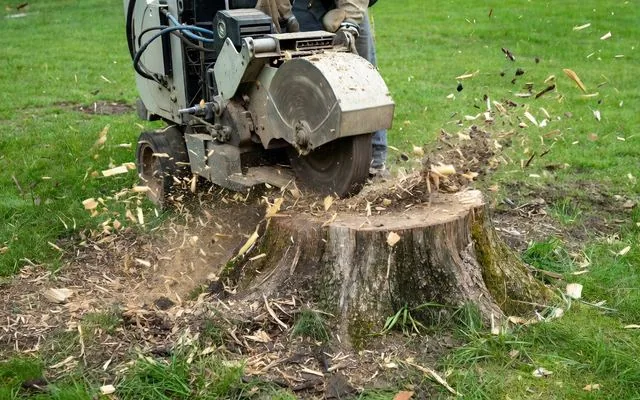
Grinding stumps out below grade so you can turf, pave or replant over the top.
Read more →
Structural pruning, deadwooding and clearance work done to Australian Standard.
Read more →
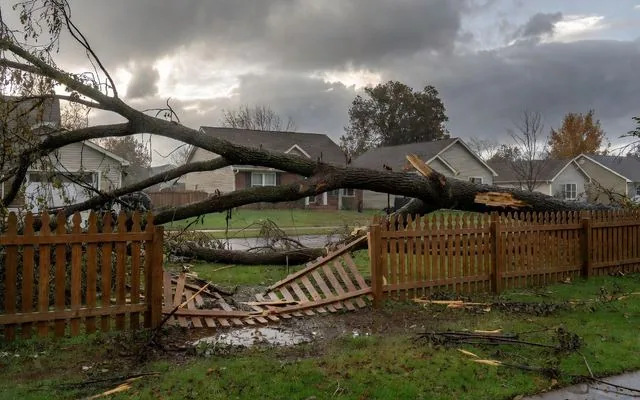
Storm make-safe when something has come down on a roof, a car or across the drive.
Read more →
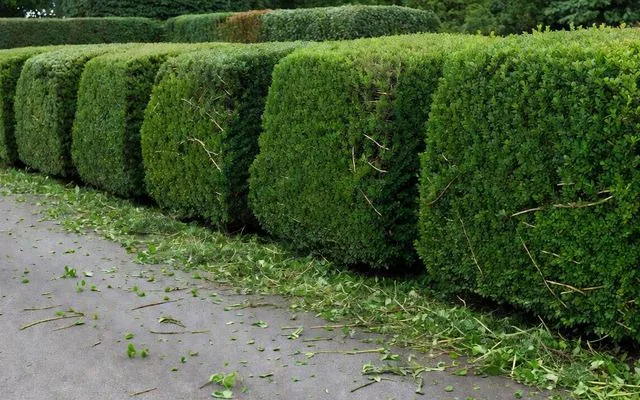
Shaping and maintaining hedges, screens and windbreaks at height.
Read more →
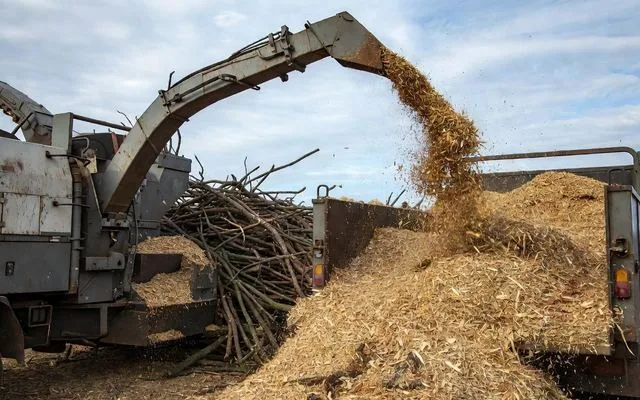
Chipping on site, mulch delivery and getting the timber off your block.
Read more →
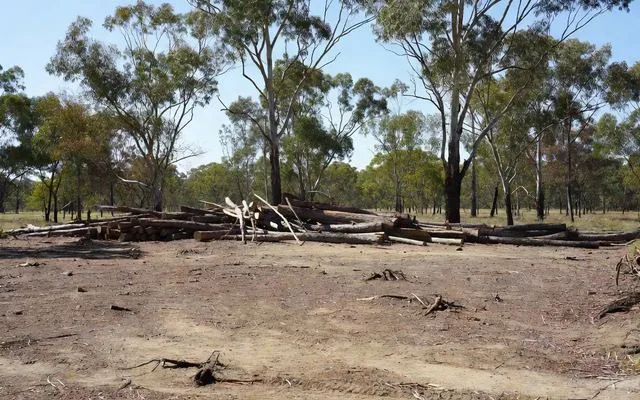
Clearing blocks, fence lines and paddock timber ahead of building or fencing.
Read more →Two things govern tree work here: AS 4373 Pruning of amenity trees for how a tree is cut, and Queensland's Neighbourhood Disputes (Dividing Fences and Trees) Act 2011 for whose tree it is and who pays. Most disputes come from not knowing the second one.
Under the Act, responsibility for a tree sits with the tree-keeper — the registered owner of the land it grows on. Not whoever it inconveniences.
That is the starting point for every neighbour dispute in this state, and it is different from how people assume it works. The tree-keeper must keep the tree from causing serious injury, serious damage, or substantial unreasonable interference.
You may give the tree-keeper a Form 3 notice to remove overhanging branches only when the branches are less than 2.5m above the ground and overhang your boundary by more than 50cm. They then have 30 days.
If they do nothing, you can have the branches removed and recover up to $300 a year from them — and if they won't pay, that is a QCAT minor debt claim. Higher than 2.5m, or overhanging less than 50cm, and the notice route is closed to you: it becomes a full QCAT tree dispute instead.
You cannot use the notice process at all if the tree is covered by a vegetation protection order. That is the trap — people read about the $300 and the 30 days and assume it applies to every tree.
Toowoomba Regional Council protects a good deal of the Garden City's mature and street tree stock. Check the tree's status before you send anything, because a notice on a protected tree achieves nothing except a worse relationship with your neighbour.
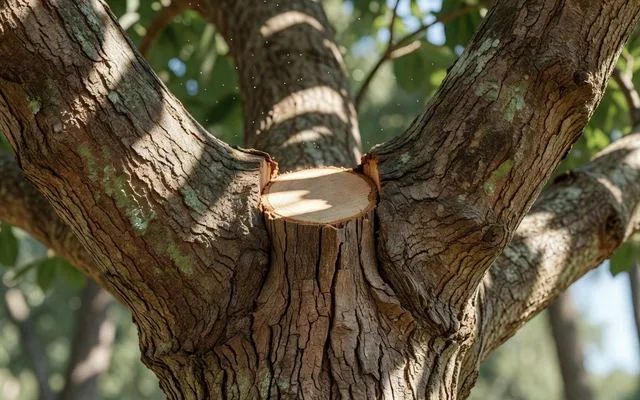
AS 4373 is built on CODIT — a tree walls decay off rather than healing it. A cut just outside the branch collar can be closed over; a flush cut or a stub stays open to decay.
This site says lopping because that is what people search for, but the stubs the word describes produce fast, weakly attached regrowth. A big camphor laurel or conifer topped hard is usually a bigger problem five years later.
AQF Level 3 is the practising arborist — climbing, pruning, removal. AQF Level 5 is the consulting arborist who writes reports and assesses risk, and it is the level councils, QCAT and insurers expect on a signature.
Before root pruning specifically, AS 4373 calls for at least Level 4 advice, because cutting roots affects whether a tree stays standing. On Toowoomba's reactive black soil that matters more than most places — the ground already moves.
Toowoomba sits on the edge of the Great Dividing Range on cracking black soil, and that combination shapes how trees grow here, what they need, and when they need it. Most of the work is planned and seasonal rather than urgent.
The best time to shape a tree here is before the growth flush, once the worst frosts have passed. Structural pruning done then heals fastest and the tree puts its energy into the shape you've left it. It's also when deadwood from the cold months is easiest to see, before the canopy fills in and hides it.
The escarpment forces warm air up off the Downs, and the cells that form can carry hail and severe downbursts. Worth knowing because it's the argument for getting deadwood and end-weight out beforehand — most of what comes down in a storm was already weak, and a tree kept in reasonable order usually rides it out.
Darling Downs black soil is a cracking clay. It swells when wet and shrinks hard when dry, and it does that around the root plate of every tree standing in it. After a long dry followed by heavy rain, trees that have stood for decades can start to lean — the tree hasn't changed, the ground holding it has.
At around 700 metres Toowoomba gets genuine frosts, which coastal Queensland doesn't. Frost damage on subtropical species planted a little too optimistically shows up as dieback in the outer canopy, and that deadwood is what comes out in the first serious summer storm.

Most tree work here is better done on a schedule than in a hurry. A canopy kept in reasonable order is cheaper to maintain, safer in a blow, and far less likely to become an emergency callout in the first place.
Most removals land between $700 and $2,000, with small trees from around $250 and stump grinding from $150. Access matters more than height — a big tree the truck can reach is cheaper than a small one it can't.
Access and approvals decide this, not trunk diameter. On a Toowoomba block the paperwork is often the longest part.
| Small tree, clear access | 1–3 hours | Room to work, chipper alongside. |
| Medium tree, sectional removal | Half a day | Climbed and lowered past a fence, shed or the neighbour's roof. |
| Large camphor laurel or conifer | A full day or more | Big canopies, heavy timber, and usually a three-person crew. |
| Crane-assisted | Often a morning | Sections lifted out whole. Needs street room to set up legally. |
| Stump grinding | 30–90 minutes | Separate machine, frequently a separate visit. Confirm it is quoted. |
| Hail or storm callout | Made safe same day where possible | Making safe and finishing the job are two different visits after a Range storm. |
Nobody can put a real number on a job from a phone call. The site visit is what turns a guess into a quote.
Toowoomba is unusual — on your own land, with no development proposed, council's current planning scheme does not require approval. The exceptions are worth knowing before anything comes down.
Approval is required for:
Approval is not required for:
Interfering with a council street or park tree without written permission is an offence under Local Law 1. State law also still applies on private land — protected species, heritage and vegetation management rules sit with Queensland agencies rather than council. A call to 131 872 before anything comes down is free, and it settles which of those you're dealing with. Source: Toowoomba Regional Council. The rules turn on your individual tree, so confirm yours.
Full permit rules explainedAcross Toowoomba from Highfields and Cranley through the city and Rangeville down to Westbrook and Drayton, plus the wider region at Crows Nest, Oakey, Pittsworth, Clifton and Millmerran. Travel can affect the quote on the far edges.

Usually not, if it's on your own land and you're not proposing development. Toowoomba Regional Council's current planning scheme does not require council approval to remove significant vegetation where no development is proposed — which is different to Brisbane, Ipswich and Logan. That said, it is not a blanket all-clear: council trees, heritage properties, protected species and development applications all change the answer. Confirm your own situation with council on 131 872 before anything comes down.
That one is almost certainly council's, and it's the mistake we see most. Street and park trees are protected under Local Law 1 (Administration), and pruning, removing or otherwise interfering with one without prior written permission from council is an offence. Being directly in front of your house doesn't make it yours.
In everyday Queensland use, 'lopping' just means cutting a tree back, and that's what most people searching for a tree lopper want. In the trade it has a narrower and less flattering meaning — indiscriminate cuts that leave stubs with no growth point to heal from. A qualified arborist will usually do a crown reduction instead: shortening limbs back to a suitable lateral. It costs about the same and the tree doesn't answer with a thicket of weak regrowth two seasons later.
Black soil. Darling Downs cracking clay swells when it's wet and shrinks hard when it dries, and it does that around the root plate. After a long dry followed by a soaking, trees that have stood for thirty years can start to move. The tree hasn't changed — the ground holding it up has. It's worth an assessment rather than a wait-and-see.
Most suburban removals land between $700 and $2,000. Access drives the price more than size does — a 12-metre gum in an open Westbrook backyard with side access can cost less than an 8-metre tree on a steep Range block where everything has to be roped down and carried out.
Queensland has a specific law for this — the Neighbourhood Disputes (Dividing Fences and Trees) Act 2011. The tree-keeper (whoever owns the land the tree is on) is responsible for branches overhanging your land. If branches overhang by more than 0.5m and sit less than 2.5m above the ground, you can give a formal notice; they're liable for your reasonable removal costs up to $300. Higher than 2.5m and it's a QCAT matter. Try talking to them first — that's what the tribunal will expect.
Yes — that's a lot of what comes through, especially after a summer cell comes over the Range. If something is on a roof, across a driveway or hung up in another tree, say so in the form and it gets treated as urgent. If it's touching powerlines, call Ergon Energy on 13 16 70 first, not us.
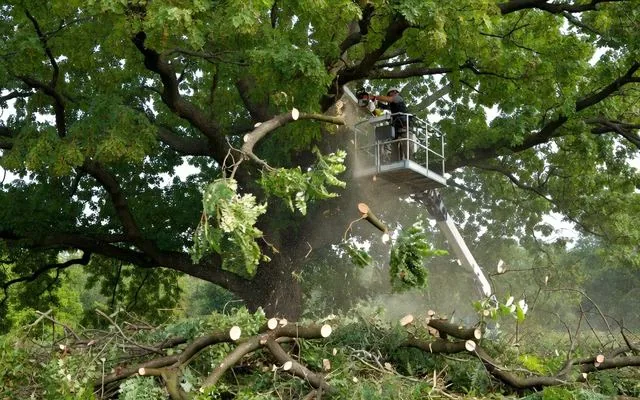
Tell us the suburb and what the tree needs. We'll do the rest.
Call 0468 092 731